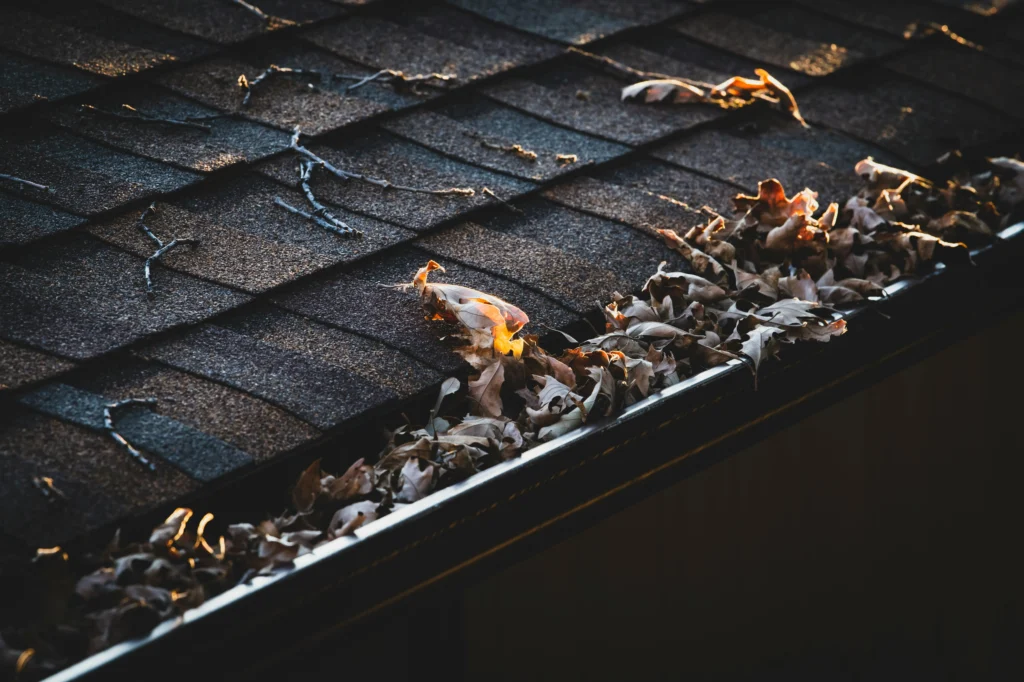
Your gutter system is one of the most important parts of your home’s exterior, protecting your roof, siding, foundation, and landscaping from water damage. However, like any part of your home, gutters experience wear and tear over time. Exposure to heavy rain, strong winds, snow, and falling debris can cause gutters to weaken, leak, or pull away from the roofline. Unfortunately, many homeowners don’t notice these issues until they become serious and expensive to repair.
Some of the most common warning signs include sagging sections, visible cracks, leaking joints, rust spots, peeling paint around the gutters, and water overflowing during rainfall. You may also notice water pooling near your home’s foundation, soil erosion around flower beds, or stains on your siding. These problems are often early indicators that your gutter system is no longer directing rainwater away from your home as it should.
Ignoring these issues can lead to costly structural damage, including fascia rot, basement leaks, mold growth, and foundation cracks. The good news is that many gutter problems can be repaired quickly if they’re caught early. In this guide, we’ll cover the most common signs of gutter damage, explain why they happen, and help you determine when a simple repair is enough—and when it’s time to consider a full replacement.